

About Our Treatments
How long does it take to get used to removable full dentures or partial dentures with hooks...
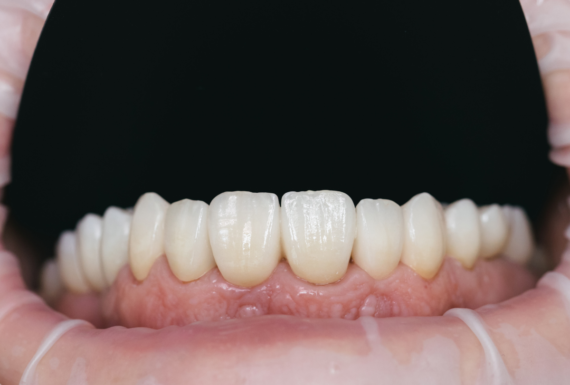
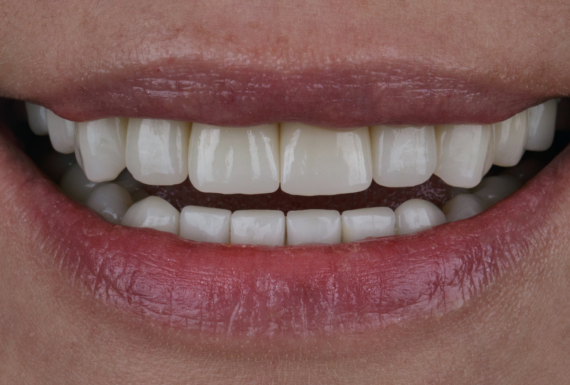
Are natural looking teeth possible with porcelain crowns? Yes, it is possible because porcelain ...

What are the treatment options used in Hollywood smile? Each type of treatment is different from ...
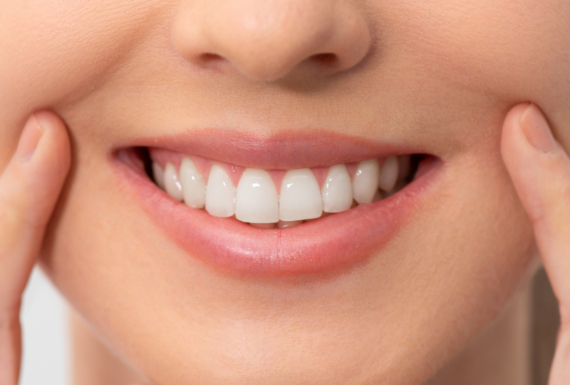
Who can have a smile design? Anyone who is dissatisfied with their teeth for any reason and has aesthetic ...
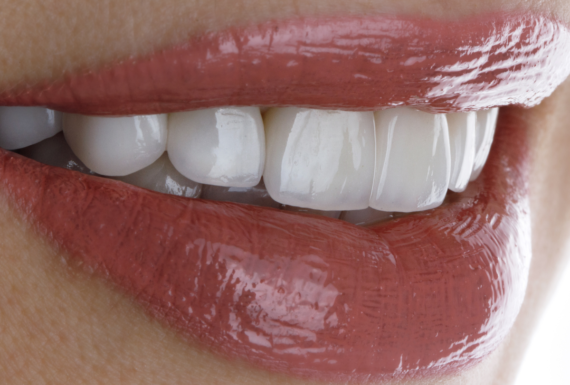
How long do porcelain laminates last? A properly made porcelain lamina lasts an average of 10-20 years...
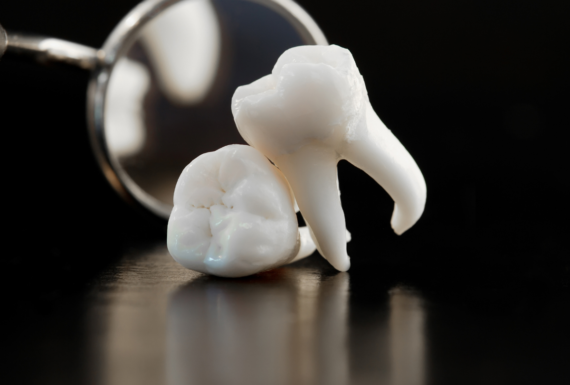
Is extraction of wisdom teeth absolutely necessary? Wisdom teeth are the teeth in our upper and lower jaws that are 16-20 years old...
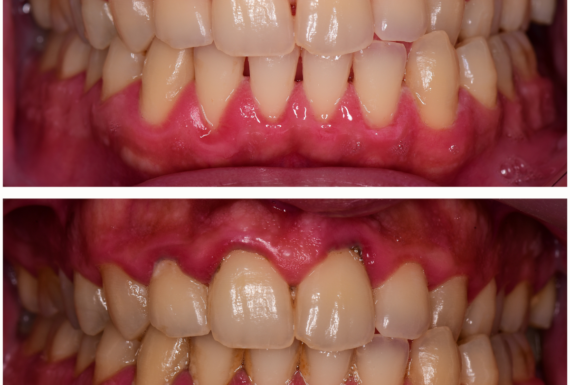
How can periodontal disease be prevented? The most important task in the prevention of periodontal ...
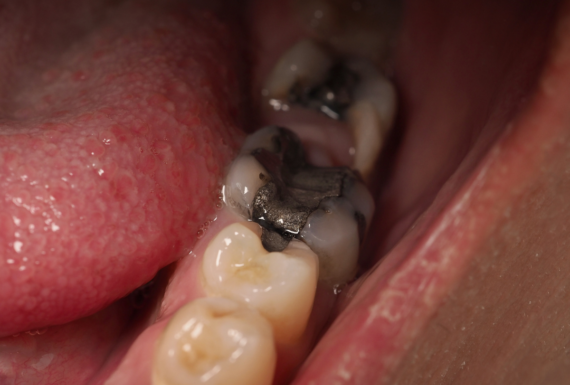
Can root canal treatment be performed on every tooth? Inside your teeth, there are nerves and blood vessels called pulp.
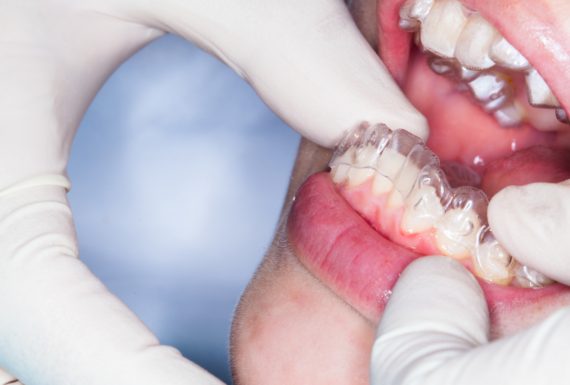
How long does orthodontic treatment last? While orthodontic treatment can last between one and four years, the average ...
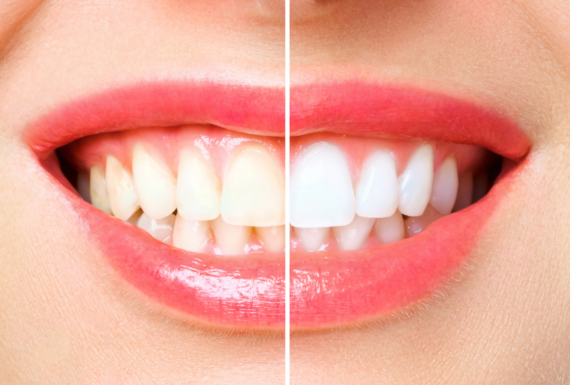
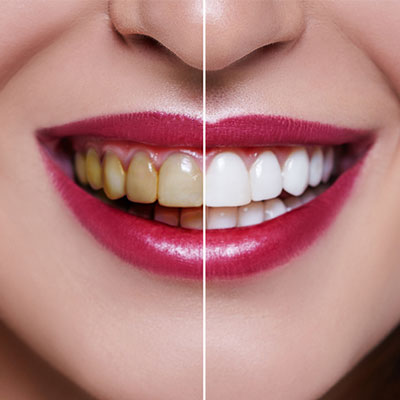
How long does teeth whitening take? Teeth whitening process takes time from person to person and the coloration of the teeth...
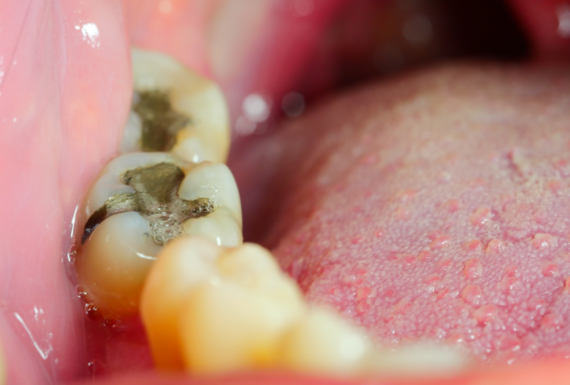
Don't Worry We are the best!
Don't neglect your teeth and keep them clean!
Brush your teeth with precision and take your time!
Visit your dentist every 6 months!
The Perfect Smile
Requires Excellent Care.
At Subutay Han Altintas Dental Clinic, we work with an expert and experienced team in the field of dental health, ensuring that our patients have a perfect smile. By doing our job professionally, using the latest technology and the best materials, we meet the needs of our patients in the best way. By focusing on patient satisfaction, we ensure that our patients have a healthy and aesthetic smile. The happiness and trust of our patients who prefer us are among our most important priorities for us.
Comments Made About Us
Z...
Y...
M...
Y...
S...
S...
B....
A....
O...
Öz... Ç...
G...
Z...
G...
A...
H...
Working Hours
Mon. - Sat.
10:00 - 19:00
Sunday
Closed
Get in touch with us!


We Answer All Your Questions!
FAQ
Can a lamina be made without cutting the tooth?
Yes, it can be done. However, it gives more successful results in people who are deemed appropriate by the dentist, who do not have tooth tissue loss, filling, excessive discoloration, have healthy gums and care about oral hygiene. The treatment process takes less time and the applications cause less damage to the tooth. These are laminae made with little or no removal of the enamel of the tooth. Anesthesia and temporary crowns are not needed during the procedure.
When can I eat after porcelain veneers, laminae or fillings have been bonded?
Unlike other dental treatments, the healing process does not take a long time. Once the veneers and laminates are bonded and the anesthetics have worn off, you can eat and chew as you normally do. It is better to wait for the anesthesia to wear off, as you need to be careful not to chew your cheeks or tongue while the anesthesia wears off.
Is a dental implant or a dental bridge prosthesis better?
Dental implant overdentures and dental bridges are treatment options for the treatment of missing teeth. Dental bridges are more affordable. If cost is not an issue and you are generally healthy, dental implants may be a better option as they last longer and do not damage neighboring teeth. At the same time, dental implants prevent bone resorption in the area of the extracted tooth. Your dentist will advise you on the best option for you.
How often should I have scaling?
Prevention is always better than cure, both economically and health-wise. Oral care and scaling by your dentist is a preventive treatment option for many oral health problems. For most people, we recommend examinations and scaling every 6 months. However, this approach may not work for everyone. People at high risk of gum disease or tooth decay may need to visit their dentist every 3 months.
Should I rinse my mouth after every tooth brushing?
You do not need to rinse. Spitting and not rinsing leaves a protective layer of fluoride on your teeth.
My teeth are very sensitive, what should I do to relieve the sensitivity?
You can try using a toothpaste specially designed for sensitive teeth.
You should try to avoid very acidic foods and drinks and wait at least 1 hour after eating before brushing your teeth, so your teeth may be less sensitive. Grinding your teeth can also increase sensitivity and you may need to wear special aligners.
If your sensitivity is severe and does not go away, your dentist can give you some special desensitizing treatments.
What should I do for teeth grinding?
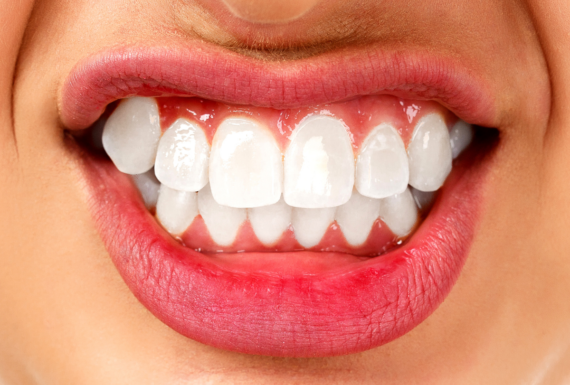
In fact, the problem of teeth grinding is emissional, that is, an emotional condition, but it is also often caused by some incorrect applications such as a high prosthesis, filling, etc. previously made in the mouth. It may also occur due to problems related to skeletal muscle system disorders in some neck areas. The simplest solution to teeth grinding is to diagnose the problem that causes it. A number of diagnostic and treatment options are used to diagnose and treat the problem. The main treatments include the use of night plates, head and neck physiotherapy and professional psychological help. Most teeth grinding occurs during sleep. For this reason, the most appropriate and urgent treatment is night placement.
What causes teeth grinding?
There are many theories about the causes of teeth grinding. The scientific name for teeth grinding is Bruxism.
Usually your dentist will ask you many questions about your lifestyle to find out what is the most likely cause for you.
Some researchers suggest that teeth grinding is a habit, others that it is caused by emotional states such as anxiety, frustration and anger.
Teeth grinding can also be caused by a malocclusion, which is a condition in which the jaw is not aligned correctly and the body only tries to align the jaw and teeth during sleep, and is often the result of some previous malpractice in the mouth, such as a high prosthesis, filling, etc. It may occur due to problems related to skeletal muscle system disorders in some neck areas. Today, there are also very strong researches that people with sleep apnea and snoring will have teeth grinding and teeth clenching.
Other causes may be a side effect of some anti-depressive drugs such as Zoloft, Paxil and Prozac. Some recreational drugs such as ecstasy and amphetamines are also suspected of causing teeth grinding.
There are also scientific papers suggesting that anxiety, smoking, drinking alcohol or coffee and sleep disorders increase teeth grinding. While it has been scientifically shown that 70% of people who clench and grind their teeth have significant lifestyle stressors, there is no concrete evidence to support any single cause.
What are the symptoms of teeth grinding?
Bruxism, or teeth grinding, can start at any age and can also cause headaches. The most prominent symptom in the mouth is excessive wear on the teeth and sharpening of the edges of your teeth like a knife. Over time, it can lead to tooth loss with fractures and excessive damage to the teeth.
People who grind their teeth are three times more likely to suffer from headaches.
Repetitive teeth grinding can cause muscle tension in the jaw muscles, stiffness and pain in the neck and shoulders. It is also known to cause ear pain.
Can I change the shape and color of my teeth?
Yes, absolutely. New modern dental treatments allow them to change the shape of your teeth for aesthetic reasons, not just because they have problems such as cavities or broken teeth. The most common of these treatments are porcelain lamina, composite lamina, dental bonding, porcelain veneers and teeth whitening.
What treatment options are there to change the shape of my teeth?
There are different treatment options that can be used to help you achieve the look and shape you prefer for your teeth. Whether you would like your teeth to be slightly longer, to have smaller gaps between your teeth, or to repair and cover cracks and fractures in the tooth surfaces, treatment options can be used. These treatment options include dental bonding, porcelain and composite laminates and porcelain veneers.
Is it possible to close the gap between my front teeth without orthodontic treatment (without braces)?
Yes, dental bonding, the bonding of composite fillings to the natural tooth structure, is a modern aesthetic dental treatment technique for reshaping your teeth to widen them or close gaps between teeth.
Bonding does not require removal of the tooth structure, so it does not disrupt the structure or affect the vitality of your natural tooth.
Another treatment option is porcelain laminae and veneers. They are very durable materials that have been used for many years. There is no discoloration and abrasion. With these treatments, when the color harmony with other teeth is good, your treated teeth become indistinguishable from your natural teeth. Together with your dentist, you will have a retreatment that best suits you and is fully compatible with your other teeth and a more beautiful smile.